
The link between hearing loss and tinnitus is one of the most important connections to understand if you’re experiencing persistent ringing, buzzing, or other phantom sounds in your ears. Many people assume tinnitus is an isolated problem, but research shows that hearing loss and tinnitus frequently go hand in hand—and recognizing this link is critical for effective management and relief.
Here we’ll explain how hearing loss contributes to tinnitus, why the brain responds this way, and what you can do to protect your hearing and reduce the impact of tinnitus on your daily life.
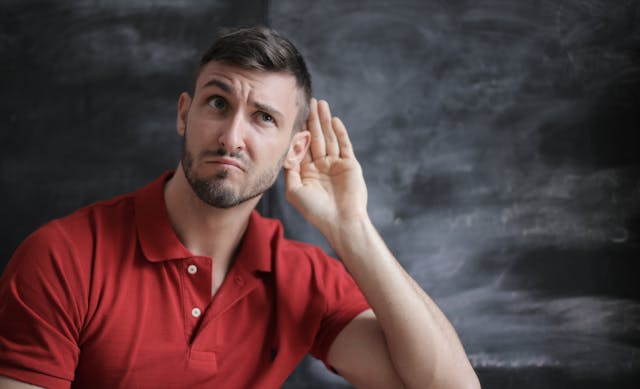
What Is Tinnitus?
Tinnitus is the experience of hearing a sound that doesn’t come from an external source. These sounds can vary widely:
- Ringing
- Buzzing
- Hissing
- Roaring
- Clicking or static
While anyone can experience tinnitus temporarily, chronic tinnitus—especially when combined with hearing loss—is a condition that benefits from professional evaluation and treatment.
How Hearing Loss Triggers Tinnitus
In many cases, tinnitus is a byproduct of hearing loss. Here’s how the connection works:
1. Sensory Deprivation in the Ear
When the tiny hair cells inside the inner ear are damaged—often due to age, noise exposure, or disease—they stop transmitting sound signals normally. As a result, the brain receives less auditory input.
2. Brain Compensation Mechanisms
The brain doesn’t like to receive incomplete information. When it detects reduced signals from the ear, it compensates by increasing neural activity in the auditory pathways. This compensatory response can result in the perception of sound that isn’t there—creating the tinnitus experience.
3. Auditory Cortex Rewiring
Over time, the auditory cortex—the part of the brain responsible for processing sound—begins to rewire itself to adapt to the missing input. This neural reorganization is associated with persistent tinnitus in individuals with hearing loss.
Common Causes of Hearing Loss That Can Lead to Tinnitus
Understanding what causes hearing loss can help you reduce your risk of tinnitus. Some of the most common contributors include:
- Age‑Related Hearing Loss (Presbycusis): A gradual loss of hearing sensitivity as we age.
- Noise‑Induced Hearing Loss: Exposure to loud sounds without hearing protection, such as concerts or headphones at high volume.
- Ototoxic Medications: Certain drugs can damage the auditory system and trigger hearing loss.
- Medical Conditions: Cardiovascular disease, diabetes, and infections can all affect hearing.
- Ear Blockages: Excess earwax or ear infections that impede sound transmission.
In many cases, hearing loss precedes tinnitus. For others, tinnitus may be the first warning sign of hearing damage.
Why Hearing Loss Makes Tinnitus Worse
Hearing loss doesn’t just cause tinnitus—it can make it more intrusive and distressing for several reasons:
- Increased Focus: When your ears don’t hear external sounds well, your brain becomes hyper‑attentive to internal sounds like tinnitus.
- Emotional Stress: Hearing loss can increase anxiety and frustration, which in turn amplifies the perceived volume and distress of tinnitus.
- Reduced Masking: In healthy hearing, background sounds can “mask” or cover up ringing. Hearing loss reduces the effectiveness of natural masking.
This interaction is why individuals with both tinnitus and hearing loss often report greater impact on sleep, concentration, and quality of life.
What You Can Do to Protect Hearing and Manage Tinnitus
If you suspect hearing loss or tinnitus, taking proactive steps is key to long‑term comfort and function:
1. Get a Professional Hearing Evaluation
An audiologist can evaluate your hearing thresholds and determine if hearing loss is contributing to your tinnitus. Early identification allows for faster intervention.
2. Use Hearing Protection
- Wear earplugs in loud environments.
- Limit headphone volume and listening time.
- Avoid prolonged exposure to loud machinery, concerts, or construction noise.
Protecting your hearing now can minimize long‑term damage.
3. Consider Hearing Aids
For those with measurable hearing loss, hearing aids do more than improve speech clarity—they can also reduce the perceived loudness of tinnitus by restoring external sound input.
4. Manage Stress and Improve Sleep
Stress and insomnia can make tinnitus more noticeable. Techniques such as mindfulness, relaxation exercises, and sleep hygiene can reduce sensitivity to internal sounds.
5. Explore Cognitive and Sound Therapies
Therapies such as cognitive retraining and sound enrichment can help your brain recalibrate how it processes tinnitus, reducing its emotional impact.
Summary
The link between hearing loss and tinnitus is strong and well‑documented. Damage to the auditory system often triggers changes in the brain that lead to the perception of tinnitus. This doesn’t mean tinnitus is untreatable—but it does mean that understanding and addressing hearing health is essential for long‑term relief.
Whether the tinnitus is a new symptom or a long‑standing problem, professional evaluation and a comprehensive management strategy can make a meaningful difference in how you experience sound and quality of life.
Get Support for Hearing‑Related Tinnitus
If you’re experiencing tinnitus with—or without—hearing loss, tailored help is available. At the Tinnitus Cognitive Center™, structured cognitive retraining therapy and personalized treatment plans help individuals manage both the perceptual and emotional aspects of tinnitus.
Stephen Geller Katz LCSW provides online therapy sessions in five languages, offering accessible care from anywhere in the world.
Contact Information:
Tinnitus Cognitive Center™
Stephen Geller Katz LCSW
19 West 34th Street Penthouse Floor
New York, NY 10001
📞 646-213-2321
🌐 www.tinnituscognitivecenter.com
Taking action now can help you protect your hearing, reduce tinnitus distress, and regain control over your auditory health.