Are You Suffering From Any of These Symptoms as a Result of Tinnitus? Call Today for a Consultation.

■ Mild to severe anxiety■ Depression
■ Insomnia■ Negative thinking
■ Triggered fight or flight■ Crying spells
■ Hopelessness■ Ringing in the ears
■ Suicidal thoughts

Are you growing more isolated?
Do you feel like life will never be the same?
Are you refraining from activities that you enjoy?
Are you fearful of losing your job?

Do you find that your thoughts tend to be negative?

If you answered yes to 3 or more of these questions or symptoms, then we can help. You may be a candidate for Tinnitus Cognitive Retraining Therapy, or TCRT.

With over 20 years of clinical experience, Stephen Geller Katz, LCSW-R (Bio) developed Tinnitus Cognitive Retraining Therapy and founded the Tinnitus Cognitive Center™ in response to the growing number of Tinnitus sufferers coming to his private practice.

He discovered that by helping people to retrain and reinterpret the thoughts around their Tinnitus, anxiety and depression symptoms began to improve. But even more important so did the Tinnitus.

Call Dr. Katz at (646) 213-2321 for a consultation.

Convenient Online Sessions
Dr. Katz Speaks 5 languages

See our main site: www.TinnitusCognitiveCenter.com
Blog Posts are Below:

Category Archives: Diet

The Impact of Diet and Lifestyle on Tinnitus Symptoms

The impact of diet and lifestyle on tinnitus symptoms is an important topic for anyone experiencing ringing, buzzing, or hissing sounds in their ears. While tinnitus is often linked to hearing loss or noise exposure, research shows that daily habits—what you eat, how you sleep, and how you manage stress—can influence how noticeable or bothersome tinnitus becomes. Understanding these factors can help you take practical steps to reduce flare-ups and improve overall well-being.

The Impact of Diet and Lifestyle on Tinnitus Symptoms

How Lifestyle Factors Influence Tinnitus

Tinnitus is not just an ear condition—it also involves the brain, nervous system, and circulatory system. Because of this, lifestyle factors that affect these systems can also influence tinnitus intensity.

Common lifestyle influences include:

  • Stress levels
  • Sleep quality
  • Dietary habits
  • Exercise and circulation
  • Substance use such as caffeine or nicotine

Making adjustments in these areas may help reduce the severity or frequency of tinnitus symptoms for some individuals.

Foods That May Affect Tinnitus

Diet can impact blood flow, nerve function, and inflammation—all of which may influence tinnitus perception.

1. High-Sodium Foods

Excess sodium can affect fluid balance and blood pressure, potentially worsening tinnitus symptoms.
Common high-sodium foods include:

  • Processed snacks
  • Canned soups
  • Fast food
  • Deli meats

Reducing sodium intake may help stabilize inner ear fluid pressure and circulation.

2. Caffeine

Caffeine is a stimulant that affects the central nervous system. Some people report increased tinnitus after consuming coffee, tea, or energy drinks.
However, responses vary. For some individuals caffeine has little effect, while others notice a clear increase in tinnitus intensity.

3. Alcohol

Alcohol can temporarily alter blood circulation and nerve activity, which may increase tinnitus awareness in certain individuals.

Moderation is often recommended if alcohol seems to trigger symptoms.

4. Sugar and Processed Foods

High sugar consumption may influence blood glucose levels and circulation. Some tinnitus sufferers report improvement when reducing highly processed foods and refined sugars.

Nutrients That May Support Ear and Brain Health

While no diet can cure tinnitus, certain nutrients support healthy hearing and neurological function.

  • Magnesium: May support nerve health and protect against noise-related hearing damage.
  • Zinc: Plays a role in immune and nerve function.
  • Omega-3 fatty acids: Support cardiovascular health and circulation.
  • B vitamins: Important for nerve signaling and brain function.

A balanced diet rich in vegetables, fruits, lean proteins, and whole grains supports overall health—including the systems involved in tinnitus.

The Role of Stress in Tinnitus Symptoms

Stress is one of the most commonly reported tinnitus triggers. When stress levels rise, the nervous system becomes more alert, increasing sensitivity to internal sounds.

Stress can lead to:

  • Heightened awareness of tinnitus
  • Muscle tension in the neck and jaw
  • Sleep disturbances
  • Increased anxiety about tinnitus

Managing stress through relaxation techniques can significantly reduce tinnitus distress.

Sleep and Tinnitus

Poor sleep can make tinnitus feel louder and more intrusive. Fatigue increases the brain’s sensitivity to sensory input, including internal sounds.

Healthy sleep habits include:

  • Maintaining a consistent sleep schedule
  • Reducing screen time before bed
  • Using sound enrichment like white noise at night
  • Creating a calm, dark sleeping environment

Improving sleep quality often helps reduce tinnitus intensity during the day.

Exercise and Circulation

Regular physical activity supports cardiovascular health and blood circulation, which can benefit the auditory system.

Exercise may help:

  • Improve oxygen delivery to the inner ear
  • Reduce stress hormones
  • Enhance mood and sleep quality

Even moderate activities such as walking, swimming, or cycling can have positive effects on overall well-being.

Habits That May Worsen Tinnitus

Certain habits may aggravate tinnitus symptoms:

  • Smoking or nicotine use
  • Chronic sleep deprivation
  • Excessive noise exposure
  • High stress levels

Addressing these factors can sometimes reduce symptom severity.

Summary

The impact of diet and lifestyle on tinnitus symptoms can be significant. While these factors do not cause tinnitus in every case, they often influence how noticeable or distressing the condition becomes. Managing stress, improving sleep habits, maintaining a balanced diet, exercising regularly, and avoiding potential triggers can help reduce tinnitus flare-ups and improve quality of life.

Because tinnitus affects both the auditory system and the brain, effective management often involves a combination of lifestyle adjustments and structured therapeutic approaches.

Professional Support for Managing Tinnitus

For individuals seeking additional support in managing tinnitus symptoms, structured therapy can help reduce the emotional and cognitive impact of the condition. The Tinnitus Cognitive Center™ offers specialized online therapy focused on cognitive retraining techniques designed to help people reduce tinnitus distress and improve daily functioning.

All sessions are conducted online, allowing patients from around the world to receive personalized care.

Contact Information

Tinnitus Cognitive Center™

Stephen Geller Katz LCSW
646-213-2321
https://www.tinnituscognitivecenter.com/

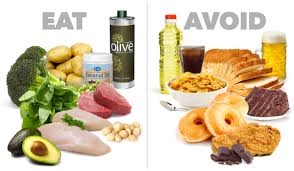
Avoid These Foods for Tinnitus Relief

Foods for Tinnitus ReliefWe all know tinnitus is the unbearable ringing sensation and their cases have been drastically increasing due to many factors. Various studies have been stated this condition as incurable although some of the research has stated the remedial measures to overcome this illness. Though it is true that you cannot completely cure your ringing sensation, but you can overcome this annoying occurrence by implementing a few easy measures.
The food you eat during tinnitus can exacerbate your tinnitus seizures. Foods are not the contributor of tinnitus, but it can play a major role in worsening tinnitus symptoms. To reduce the nuisance of tinnitus, it is necessary to avoid some food.

Here are some foods that you have to avoid to get rid of tinnitus:

Avoid High Sodium Content

Consumption of high salt content in the daily diet can trigger frequent episodes of tinnitus as it constricts the blood vessels and responsible for the elevation of blood pressure. The salt content we consume through daily diet mostly comes from processed foods. Especially the canned foods that contain salt as preservatives can cause an extremely negative effect on your hearing ability. Those who are habitual of sprinkling salt on their favorite food are at high risk of developing severe tinnitus.

Avoid Caffeine Intake

Though caffeine offers a lot of health benefits, it is not beneficial in certain conditions such as tinnitus. The regular consumption of caffeine should be aware of its negative impact as it makes your tinnitus more worse. Cut back the high caffeine intake as it also restricts your blood flow rate and causes hypertension which is not considered good for tinnitus.

Avoid Sugar

Foods for Tinnitus ReliefSugar is also considered harmful in case of tinnitus. It is reported that 84 to 92% of tinnitus patients have developed the metabolic disorder (Hyperinsulinemia) due to high sugar intake. This condition can lead to diabetes as it can also contribute to the elevation of insulin in circulating blood. To avoid progression of severe tinnitus, you have to maintain a balance in your diet.


Avoid Sulfites Content

A scientist has conducted an analytical test on some tinnitus patients, after the laboratory analysis, they found that those who consume sulfites in daily diet are likely to suffer more from severe tinnitus episodes. See your audiologist to take proper medicinal and dietary advice to overcome the effects of tinnitus.

Avoid Saturated Fat Containing Foods

Foods for Tinnitus ReliefMaintaining your overall health can keep you away from many undesirable conditions including tinnitus, as you are aware of the fact that consumption of saturated fat can be hazardous if you are suffering cardio diseases. The Trans fat food such as beef and butter can trigger tinnitus symptoms as it is responsible for reducing the level of blood flow rate by forming arterial plague.

Bottom Line

As you have no medicinal option to cure your condition permanently, you have to rely on some preventive measure to overcome the annoying noises. Keep your diet filled with nutritious foods but must ensure that those food doesn’t cause any triggering effect on your tinnitus.

Call today for a free 15 min phone consultation 646-213-2321

The Tinnitus Diet: The Foods That Trigger Tinnitus

If you are suffering from tinnitus, then you might have noticed that some days, it simply gets worse for no apparent reason. If this happens, do you ever stop to think about what you have eaten? Managing your tinnitus can often all come down to eating better and understanding if there are any particular foods which are more likely to trigger it than others. Many foods can have an effect on the symptoms of tinnitus, both positively and negatively. Here’s what not to eat if you suffer from tinnitus.

#1. Fast Foods:

Fast food can be a convenient treat, however, for those with tinnitus it can simply make the symptoms a lot worse. Along with pre-packaged and processed foods, fast food contains a large amount of salt, flavor enhancers, preservatives and saturated fats which are designed to prolong shelf life or enhance the appearance and taste of the products. However, the chemicals used are not food, and can have many undesirable side effects. In general, they tend to negatively affect tinnitus and make the ringing or humming sounds louder.

#2. Salt:

Salt tends to have an immediate effect on tinnitus, which always makes it worse. Consuming too much salt will restrict the blood vessels, increase your blood pressure and reduce the flow of blood to your ears, eyes and brain. As a result, an increase in blood pressure is directly linked to the symptoms of tinnitus being increased. Bear in mind that there are high levels of salt in pre-packaged and processed foods; the best way to avoid this ingredient from worsening your tinnitus is to cook as many meals as you can from scratch so that you can control the salt level.

#3. Sugar:

Everybody knows that eating sugary foods can be bad for your teeth, weight, and overall health. But, did you know that consuming too much sugar can also be one of the main reasons that your tinnitus is getting worse instead of going away? Studies have shown that around 85-90% of people with tinnitus also suffer from a sugar metabolism disorder which is characterized by increased levels of insulin in the bloodstream, causing the body to become less sensitive to insulin and increasing the risk of developing Type 2 diabetes. Too much sugar can cause an imbalance of chemicals in the brain, which in turn can worsen the symptoms of tinnitus.

The Tinnitus Diet The Foods That Trigger TinnitusAre you struggling to manage your tinnitus? Get in touch with out NYC tinnitus clinic today for helpful advice!

Call today for a free 15min phone consultation 646-213-2321

Tinnitus Cognitive Center

Stephen Geller Katz, LCSW-R
19 West 34th Street
Penthouse Floor
New York, NY 10001


Call Today for a Consultation
646-213-2321

Convenient Online Sessions
Dr. Katz Speaks 5 languages